

How to Help Your Child Practise a Nigerian Language at Home
Practical, low-cost ways to make Yoruba, Igbo or Hausa part of family life between lessons.
Children pick up a language through regular use, not only through lessons. A few minutes every day usually does more than one long session a week. These ideas fit around busy family life.
Make it part of the routine
- Greet in the language. Use the morning and evening greetings every day, even if the rest of the conversation is in English.
- Pick one daily moment. Mealtimes, the school run or bedtime work well. Name the food, count the steps, say goodnight in the language.
- Label the home. Put small notes on the door, the fridge and the table with the word in Yoruba, Igbo or Hausa.
Keep it playful
- Print the flashcards from our free resources and play matching or memory games.
- Play songs and stories in the language, and sing along together.
- Ask grandparents and relatives to speak only the language on video calls for a few minutes.
Praise effort, not perfection
Children may answer in English at first. That is normal. Repeat what they said in the language and carry on. Correcting every mistake can make them stop trying.
Get support when you need it
If you are not confident in the language yourself, a tutor can give structure while you keep the practice going at home. Ask the tutor what to practise between lessons, and use the same words at home that week.
You can find verified Nigerian tutors for Yoruba, Igbo, Hausa and other subjects, for your children or for yourself.
Want lessons with a verified tutor?
Nigerian tutors teach online, for your children or for yourself, wherever you live.
More free resources
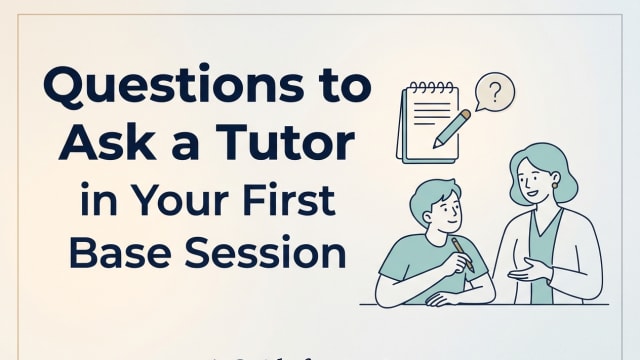
Questions to Ask a Tutor in Your First Base Session
What to ask in your first short video call with a tutor on ClassDiaspora, so you can decide with confidence.
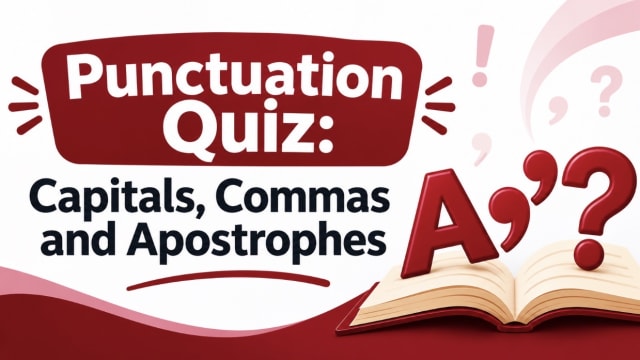
Punctuation Quiz: Capitals, Commas and Apostrophes
Ten questions on capital letters, full stops, question marks, commas, apostrophes and speech marks.
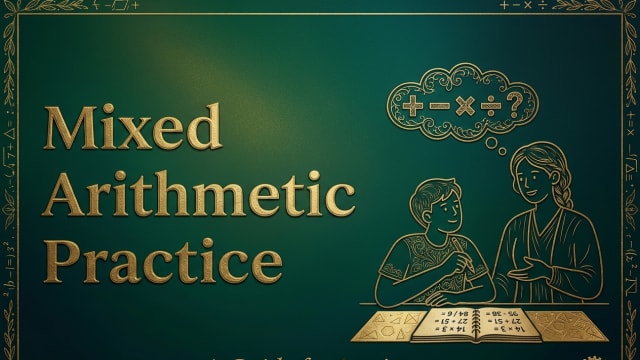
Mixed Arithmetic Practice
A mix of addition, subtraction, multiplication and division questions for regular practice, with an answer key.